
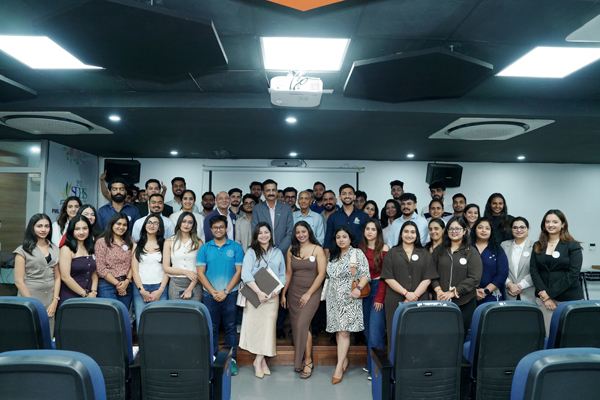
PGDM in Business Analytics has emerged as one of the most sought-after management programs for students who want to combine business decision-making with data-driven insights. Organizations across various industry sectors rely on analytics to understand customer behavior, improve operational efficiency, and identify growth opportunities. As a result, professionals who can interpret data and transform it into strategic business actions are in high demand.
This specialized management program helps students develop analytical thinking, problem-solving abilities, and leadership skills required in today’s organizations. By blending management concepts with analytical techniques, it prepares graduates for roles that require both business understanding and technological awareness. Students gain exposure to real-world business challenges while learning how data can support better decision-making across various industries.
Why Should Students Consider a PGDM in Analytics?
Students looking to build a career that combines management knowledge with data-driven decision-making can benefit greatly from pursuing a PGDM in Analytics program. This course helps learners develop analytical thinking, problem-solving abilities, and business understanding that are highly valued in modern organizations. It also provides exposure to real-world business scenarios, enabling students to make informed decisions based on market trends and business insights.
The program is designed to prepare students for evolving industry requirements by strengthening both managerial and technical competencies. Through practical learning, case studies, and industry interaction, a PGDM in Business Analytics helps students understand how organizations use data to improve performance and achieve strategic goals. This combination of business expertise and analytical skills creates strong career opportunities across various sectors.
Why Are Information Systems Skills Essential for Future Business Leaders?
Modern businesses rely heavily on technology to manage operations, improve efficiency, and support strategic decision-making. As organizations continue to adopt digital solutions, leaders must understand how information systems contribute to business growth and innovation. A PGDM in Information Systems helps students develop knowledge of technology-driven processes while strengthening their ability to manage resources, analyze information, and improve organizational performance. These skills enable future professionals to make informed decisions and adapt to changing business environments with confidence.
The increasing use of data across industries has also created a need for leaders who can combine management expertise with analytical thinking. Similar to a PGDM in Business Analytics, this field helps students understand how information can be transformed into valuable business insights. By learning to align technology with organizational goals, future managers can drive efficiency, improve decision-making, and create sustainable growth opportunities in a competitive marketplace.
How Can Business Analytics Education Help Students Build Strong Management Skills?
Students looking to build a career in data-driven management are increasingly exploring opportunities through a PGDM in Business Analytics in Chandigarh. The city has become a preferred educational destination due to its strong academic environment, modern infrastructure, and growing connection with various industries. This program helps students develop analytical thinking, business understanding, and problem-solving abilities that are highly valued in today’s competitive corporate landscape.
The curriculum is designed to combine management principles with practical business insights, enabling students to understand market trends and organizational challenges effectively. Students build confidence in dealing with real-world business issues through industry exposure, projects, and skill-based learning. This educational pathway can help aspiring professionals prepare for diverse career opportunities across multiple sectors while building a strong foundation for long-term growth.
How Do Analytics Programs Prepare Students for Leadership Roles?
Today’s organizations require leadership beyond standard management knowledge. Leaders are expected to make informed decisions supported by reliable data and market insights. Analytics-focused management programs help students:
- Learn to evaluate business situations objectively and identify opportunities for growth using analytical approaches.
- Learn to analyse patterns, evaluate performance and make educated recommendations that support organisational objectives.
- Get exposure to business challenges to improve analytical reasoning and equip themselves with practical frameworks to address complex organizational issues.
These capabilities contribute significantly to leadership development and long-term career progression.
How Does an Analytics-Focused Management Program Help Students Build Industry-Relevant Skills?
Chandigarh has emerged as a prominent educational destination for students seeking management programs that align with modern industry requirements. A PGDM in analytics in Chandigarh provides learners with the opportunity to develop analytical thinking, business understanding, and problem-solving skills that are highly valued by employers. The program focuses on helping students interpret business data, evaluate market trends, and support strategic decision-making, making them better prepared for dynamic professional environments.
As organizations increasingly rely on data-driven insights, management education is evolving to meet these demands. Similar to a PGDM in Business Analytics, this specialization helps students understand how information can be used to improve business performance and operational efficiency. The practical learning and industry-oriented experience prepares students with the knowledge they need to make meaningful contributions to the growth of organisations, as well as develop a strong foundation for long-term career success.
How Can Students Benefit from Learning Both Management and Technology Concepts?
Students looking to build careers at the intersection of technology and management often consider a PGDM in Information Systems in Chandigarh because of the growing demand for professionals who can manage digital processes and business operations effectively. This program helps learners understand how organizations use information systems to improve productivity, streamline communication, and support strategic decision-making. With a balanced focus on management principles and technological understanding, students can develop practical skills that are valuable across multiple industries.
As businesses increasingly rely on data to guide decisions, programs such as PGDM in Business Analytics have also gained significant importance. These specialized management courses help students strengthen their analytical thinking, problem-solving abilities, and decision-making skills. By combining business knowledge with modern technological concepts, graduates become better prepared to adapt to changing industry requirements and pursue diverse career opportunities in a competitive business environment.
How Can Students Evaluate Colleges Offering Analytics-Focused Management Programs?
| Placements | Curriculum | Industry Exposure |
|---|---|---|
| Check the placement record and recruiter network. | Review whether the syllabus matches current industry requirements. | Evaluate the availability of live projects and case studies. |
| Assess the average career opportunities offered to students. | Look for a balance between management and analytical subjects. | Check the frequency of guest lectures by industry experts. |
| Verify internship support and career guidance services. | Ensure the program focuses on practical learning approaches. | Review corporate collaborations and industry partnerships. |
| Examine alumni success stories and professional growth. | Consider the inclusion of skill-development modules. | Look for opportunities to participate in workshops and seminars. |
| Analyze the consistency of placement performance over the years. | Check whether the curriculum is regularly updated. | Evaluate exposure to real-world business challenges and corporate visits. |
How Do Business and Technology Skills Open Doors to Diverse Industry Roles?
Graduates of management programs focused on technology and business can explore a wide range of career opportunities across industries. Organisations need people who can analyze business difficulties, increase operational efficiency and help with strategic decision making. With the right skills and practical exposure, students can pursue roles such as:
- Business Analyst
- Information Systems Manager
- Project Coordinator
- Operations Analyst
- IT Consultant
- Data Management Executive
- Business Intelligence Professional
Career growth in these fields is supported by the increasing adoption of digital technologies and data-driven strategies. A PGDM in Business Analytics can further enhance professional opportunities by helping students develop analytical, managerial, and problem-solving capabilities. These skills enable graduates to contribute effectively to business planning, performance improvement, and organizational growth while building successful careers in diverse sectors.
How Do Internships Contribute to Professional Development?
Students need practical exposure before stepping into the professional world and internships are crucial. They provide students an opportunity to apply classroom concepts in real business environments while developing workplace confidence and industry knowledge. Through internships, students learn how organizations operate and how professionals handle everyday challenges.
- Improve communication and teamwork skills
- Gain hands-on industry experience
- Develop problem-solving abilities
- Understand workplace expectations
- Build professional networks
- Enhance career readiness
Students pursuing a PGDM in Business Analytics can particularly benefit from internships as they gain exposure to real business data, decision-making processes, and analytical projects. This practical learning experience strengthens their professional profile and helps them develop the skills required to perform effectively in competitive business environments after graduation.
Why Is Continuous Learning Important in Analytics-Oriented Careers?
Continuous learning is essential in analytics-oriented careers because business practices, technologies, and market trends continue to evolve. Professionals, who keep their knowledge updated, are better equipped to understand new tools, adjust to the evolving needs of the industry, and make educated judgments. Learning beyond the classroom helps individuals improve their analytical thinking, problem-solving abilities, and professional expertise. It also increases confidence when handling complex business challenges and emerging opportunities. By staying curious and committed to skill development, professionals can remain competitive in the job market, enhance career growth prospects, and contribute more effectively to organizational success throughout their careers.
How Can Students Maximize Their Learning Experience During Management Studies?
Students can make the most of their management studies by actively participating in both academic and practical learning opportunities. Attending classes regularly, engaging in discussions, and working on projects help build a stronger understanding of business concepts. Participation in workshops, seminars, and industry interactions can provide valuable insights beyond the classroom. Developing communication, leadership, and teamwork skills is equally important for overall growth. Students should also seek internship opportunities to gain real-world exposure and understand professional expectations. A proactive approach toward learning, networking, and skill development can significantly enhance both academic performance and future career prospects.
Conclusion
PGDM in Information Systems is an excellent choice for students who want to develop a strong understanding of technology, business processes, and strategic management. The program equips learners with the skills needed to manage information effectively, improve organizational efficiency, and support data-driven decision-making. By combining management knowledge with technological awareness, students can prepare themselves for diverse career opportunities across industries. As businesses continue to embrace digital transformation, professionals with expertise in Information Systems are becoming increasingly valuable. Choosing this specialization can help students build a solid foundation for long-term career growth and success in the evolving corporate world.
Frequently Asked Questions
1. What skills are important for building a successful career in analytics?
Strong analytical thinking, data interpretation, and decision-making abilities are important skills that can be developed through a PGDM in Business Analytics.
2. Can students from non-technical backgrounds enter the analytics field?
Yes, a PGDM in Business Analytics is designed to help students understand data-driven business concepts regardless of their academic background.
3. Which industries hire professionals with analytics expertise?
A PGDM in Business Analytics can create opportunities in finance, healthcare, retail, e-commerce, consulting, and technology sectors.
4. How does analytics education support business decision-making?
Through a PGDM in Business Analytics, students learn to convert data into actionable insights that help in making strategic business decisions.
5. What are the long-term benefits of studying analytics and management together?
A PGDM in Business Analytics combines management knowledge with analytical skills, helping professionals adapt to changing business requirements and career opportunities.